Compare Local Contractors for Basement Floor Sawing Services
Compare local contractors for basement floor sawing to define project scope, verify experience, and set clear expectations for a successful job.
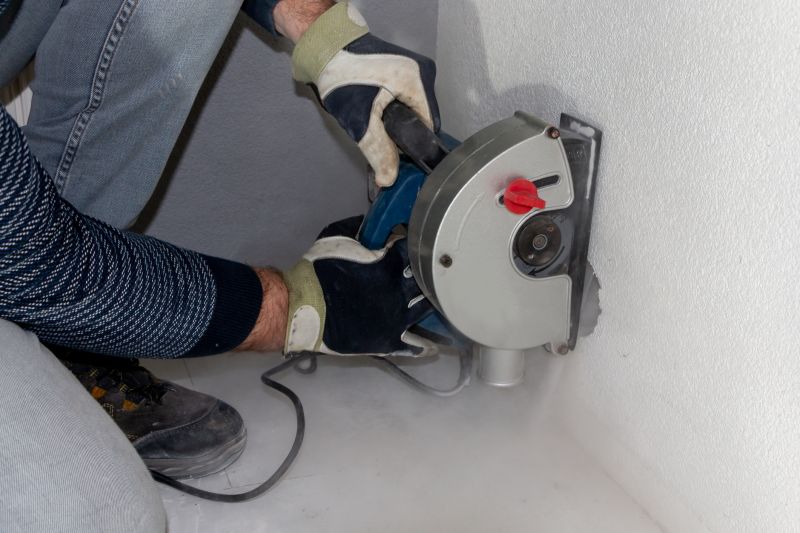
Basement floor sawing is a specialized service that involves cutting through concrete or other hard materials to create openings, channels, or to facilitate repairs. This work typically covers tasks such as removing sections of existing flooring, preparing the surface for new installations, or creating access points for plumbing, electrical, or drainage systems. Contractors skilled in basement floor sawing use equipment designed to make precise cuts while minimizing damage to surrounding structures, ensuring that the work aligns with the property's structural needs and future plans.
Defining the scope of basement floor sawing projects is essential to ensure the work meets specific requirements and avoids misunderstandings. Clearly outlining what areas need cutting, the depth and dimensions of the cuts, and any special considerations-such as the presence of rebar or embedded utilities-helps establish realistic expectations. Documenting these details in writing can serve as a reference for both property owners and contractors, promoting transparency and reducing the risk of disputes or surprises during the project.
Property owners seeking basement floor sawing services can benefit from comparing local contractors to find the right fit for their needs. When evaluating service providers, it’s helpful to consider their experience with similar projects, the types of equipment they use, and their understanding of local building codes and safety practices. Asking for detailed descriptions of their scope of work and verifying references or past work can provide insight into their reliability and professionalism. Making informed comparisons based on these factors can help property owners choose contractors who are well-equipped to deliver quality results aligned with their project goals.
Compare local contractors by outlining your project priorities, verifying experience, and setting clear expectations in writing.
- Identify Experienced Contractors - verify that service providers have relevant experience in basement floor sawing projects.
- Define Project Scope Clearly - establish detailed expectations and specific requirements before work begins.
- Compare Local Contractors - review qualifications, services offered, and reputation to find suitable options.
- Document Agreements in Writing - ensure all project details, responsibilities, and expectations are confirmed in a written agreement.

Clearly describe your basement floor sawing project to help local contractors understand your needs and compare options effectively.
- Verify experience and expertise of contractors in basement floor sawing projects. - Ensure service providers have a proven track record handling similar basement sawing jobs.
- Define the scope of work clearly in written agreements with contractors. - Clarify the specific tasks, areas, and methods to prevent misunderstandings.
- Compare multiple local contractors to assess their qualifications and service offerings. - Gathering information from different providers helps identify the most suitable options.
- Check references or reviews to gauge the quality of past basement sawing work performed by contractors. - Feedback from previous clients offers insights into reliability and workmanship.
- Discuss project expectations and deliverables upfront to establish a shared understanding. - Clear communication helps ensure all parties are aligned on the job requirements.
- Confirm that contractors have the necessary equipment and techniques for precise basement floor sawing. - Proper tools and methods are essential for achieving accurate and safe results.
Compare local contractors’ experience and clarify project scope to ensure successful basement floor sawing.


Use consistent comparison criteria across local contractors by clearly defining scope, verifying experience, and setting expectations in writing.
- Scope Definition - Clearly outline the specific areas and dimensions of the basement floor to be sawn by local contractors.
- Material Considerations - Identify the type of concrete and any embedded features that may affect sawing techniques and equipment.
- Equipment Requirements - Determine the necessary saw types and cutting methods suitable for the basement floor’s conditions.
- Experience and Expertise - Verify that local service providers have relevant experience with basement floor sawing projects.
- Documentation and Expectations - Establish and document project scope, methods, and deliverables in written agreements with the chosen contractors.
When comparing contractors for basement floor sawing, it is important to evaluate their experience with similar projects. Homeowners should inquire about the types of concrete cutting tasks the contractors have completed in the past, ensuring they have relevant expertise in handling basement floors specifically. Contractors with a proven track record in basement sawing are more likely to understand the specific challenges involved, such as working within confined spaces or managing existing structural elements, which can influence the quality and safety of the work.
A clear, written scope of work is essential for setting accurate expectations and avoiding misunderstandings. Homeowners should seek detailed descriptions of what the contractor plans to do, including the equipment to be used, the extent of the sawing, and any preparatory or cleanup procedures. A well-defined scope helps ensure that both parties are aligned on the project’s parameters and provides a reference point for assessing whether the contractor’s proposal addresses all necessary aspects of the job.
Verification basics are key to evaluating potential service providers. Homeowners should verify that the contractor has the appropriate experience, references, or a portfolio of completed basement sawing projects. Confirming the contractor’s familiarity with industry standards and safety practices can also be valuable. While licensing and certification are not discussed here, ensuring the contractor can demonstrate their experience through documented projects or client references can provide confidence in their ability to deliver quality work.
When comparing options, it is helpful to focus on the contractor’s approach to project planning, communication, and professionalism, rather than solely on price. Homeowners should ask how each contractor plans to handle the project, what steps they take to ensure quality, and how they document the scope and expectations in writing. Evaluating the clarity of their proposals and their willingness to provide detailed information can facilitate a more informed decision, helping to select a service provider capable of meeting the specific needs of the basement sawing project.
Ask contractors to provide written scope details to ensure clear expectations and consistent project understanding.
- Experience and Expertise - What experience do local contractors have with basement floor sawing projects similar to this scope?
- Scope Definition - How clearly can the contractor outline the specific tasks and extent of work involved in basement floor sawing?
- Equipment and Techniques - What types of saws and methods do local service providers use for basement floor sawing?
- Project Expectations - How can the scope of work be documented to ensure mutual understanding before the project begins?
- Comparison Criteria - What factors should be used to compare different contractors’ approaches to basement floor sawing?
What should I consider when choosing a contractor for basement floor sawing? It is important to compare the experience, reputation, and scope of services offered by different service providers to ensure they meet the specific needs of the project.
How can I verify a contractor’s experience with basement floor sawing? Request details about their past projects, ask for references, and review any available portfolio or case studies to assess their expertise and quality of work.
What questions should I ask a contractor before hiring for basement floor sawing? Inquire about their process, the equipment they use, safety protocols, and how they define the scope of work to ensure clarity and professionalism.
Why is it important to define the scope of work in writing? Having a clear, written scope helps prevent misunderstandings, sets expectations, and provides a reference point throughout the project.
How can I compare different contractors for basement floor sawing? Look at their experience, reviews, the detail in their proposals, and their ability to clearly define project scope and expectations.
What role does communication play when working with a contractor for basement floor sawing? Clear communication ensures that project details, scope, and expectations are understood and agreed upon, reducing the risk of issues later on.
This page has provided an overview of what to consider when selecting contractors for basement floor sawing projects. Visitors learned the importance of clearly defining the scope of work, verifying the experience of service providers, and setting expectations in writing to help ensure a smooth process. Comparing local contractors can help identify options that best match project needs and preferences.
Using the quote form allows for easy comparison of different service providers in the area. It’s a practical step toward connecting with local contractors who can handle basement floor sawing jobs, enabling informed decisions based on available options.